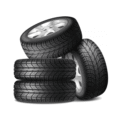
Have you ever experienced a fresh tyre suddenly blowing out on the road? However, a new tyre may fail due to a latent weakness in the rubber, improper inflation, installation errors, road impacts, overloading, or other causes. A brand new tyre requires correct inflation, correct mounting, correct load capacity, and regular checks. These causes can help car owners identify potential warning signs and take appropriate action in the event of an abrupt tyre failure.
Can a Brand-New Tire Really Blow Out?
Yes, but it is not normal for a new tyre to fail without a reason. A blowout is when the tyre suddenly goes flat because its structure has broken down or is severely damaged.
While there is a possibility of manufacturing faults, don’t discount the possibility of a fault occurring in the wheel itself or due to another cause.
Before anyone guesses what caused a new tyre failure, it should be evaluated by a professional.
Can Incorrect Tire Pressure Cause a New Tire to Blow Out?
Yes. Purchasing a new tyre, even one without any issues, can generate serious stress if it is incorrectly inflated. Low pressure causes the sidewalls to bend more while the tyres are in use. This flexing generates heat and, over time, weakens the tyre structure. Underinflation is a major tire failure contributing factor, and it recommends the vehicle manufacturer’s recommended cold inflation pressure.
It is also possible to over-inflate, which will cause issues. It can make the tyre harder and make it more likely to get damaged. Do not use the maximum tyre pressure on the sidewall; instead, use the vehicle owner’s manual.
Can a Fitting Error Damage a New Tire?
Yes. When a tyre is not fitted properly, it can affect the tyre before the vehicle starts moving. If the bead is not fitted correctly, with the right tools and settings, or not lubricated, a mounting machine can cause damage to the bead. If there is an incomplete bead seat, it can also cause air loss.
The wheel is significant as well. If the rim is not fitted correctly or the tyre is not of the correct size, it can cause unusual stress on the tyre.
Have trained technicians install a new tyre and inspect the wheel before it is installed.
Can a Pothole Cause a New Tire Blowout?
A new tyre can be severely damaged when it is hit by a pothole, a sharp edge of the road, a broken surface, or other road hazard. The exterior may be satisfactory, but the interior is already damaged.
A severe impact can also damage the wheel. NHTSA recommends drivers check that their tires have no cuts, bulges, cracks, scrapes, or other damage, particularly after hitting the road.
If your new tyre is accidentally driven over a deep pothole, have the tyre and wheel checked instead of taking the risk of assuming that the newness of the tyre means it is safe.
Can Overloading Make a New Tire Fail?
Yes. Each tyre is designed to carry a specific amount of weight. The tyre’s load rating exceeds the vehicle’s load rating, which results in extra stress and heat on the tyre.
That additional load can lead to structural failure, especially if coupled with low tyre pressure, high speed, and long-distance driving.
New tyres must still perform within their specified limits. The load capacity of the new tyre must not exceed the manufacturer’s specification.
Could a Manufacturing Defect Cause a Blowout?
A tyre may fail due to a manufacturing fault, but a professional should examine it to determine whether there is a fault.
If it is a new tyre that breaks unexpectedly, rather than throwing it away right away, keep the damaged tyre. Enter data about the tyre brand, model, size, identification markings, date of purchase, and fitting date. Request the retailer or manufacturer to check and give a written statement if it can. Well-documented records can help determine the true cause.
Prestige Motors may also assist in arranging a professional inspection if owners want to know whether a tyre or other vehicle factor has caused the failure.
What Other Problems Can Cause Sudden Failure?
A new tyre may lose pressure due to a puncture, leaking valve, damage to the wheel, bead issue, or previous impact.
High speeds can lead to high heat and stress in a tyre. Tyres can experience alignment or suspension issues, which can lead to uneven wear and damage, weakening the tyre over time.
A tyre pressure monitoring system can only warn of a significant loss of pressure; it cannot replace physical checks. Tire condition should be regularly inspected, especially before long journeys.
What Should You Do After a New Tire Blowout?
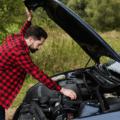
Should a tyre lose all its air pressure whilst driving, maintain control of the steering wheel and avoid heavy braking. Slowly ease off the accelerator and maintain a safe hold on the car. When the speed decreases, slowly move toward a safe place and stop. Michelin advises continuing to steer and reducing the speed slowly following a blow-out.
Avoid driving on a damaged tyre. Even a short distance can put extra strain on the tyre or wheel. The company recommends professional inspection after a blowout, as structural failure is often not suitable for repair.
Make sure you stop safely and then contact Roadside Assistance or a certified tyre service. Have a tyre expert inspect the failed tyre, wheel, and the history of pressure and fitting.
Conclusion
Factors that can cause a new tyre to fail are underinflation, overloading, impact damage, tyre fitting error, wheel issues, or possible manufacturing defect. The secret is to locate the real cause, rather than take the word “new” to imply failure-proof. You can minimise risk by maintaining proper pressure, correct fitting, appropriate loading, and regular checks. If you require professional help with vehicle and tyre assistance, Prestige Motors can provide expert advice and careful checking.