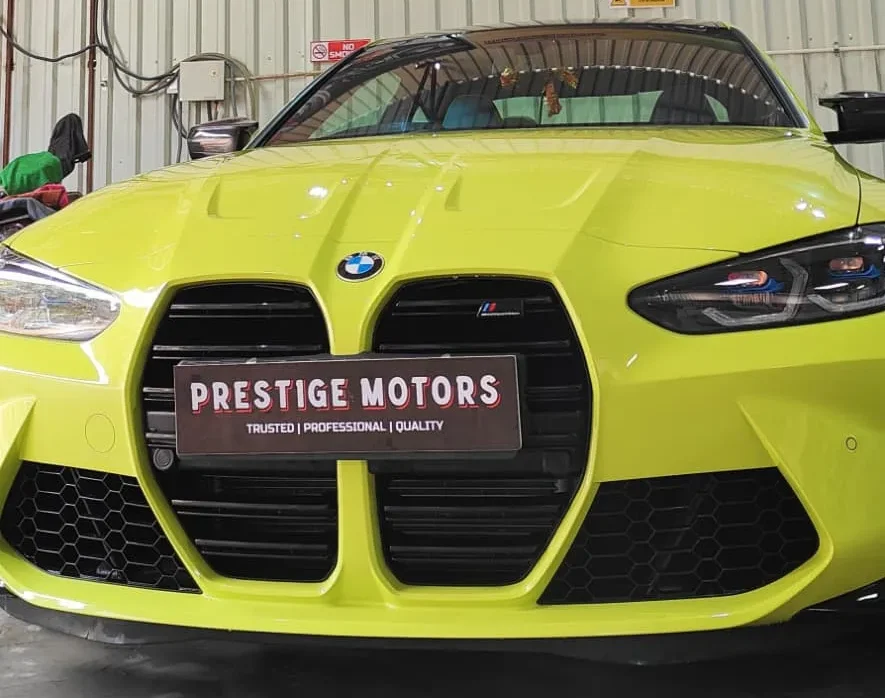
Car ceramic coating is applied in several careful stages. The coating itself may take only a few hours, but washing, preparing the paint, and allowing it to cure all take time. Skipping preparation can leave dirt or scratches trapped beneath the finish, so the process matters as much as the product.
Here’s what usually happens, from the first wash to aftercare. Exact steps and curing times vary by coating, so the installer’s instructions should always take priority.
What Happens Before the Coating Is Applied?
First comes the inspection. This process includes checking the paint for swirl marks, stains, scratches, or other paint imperfections. The coating won’t cover these imperfections; instead, it can enhance their visibility through its glossiness. Inspection will also tell whether the paint requires polishing and what amount of work the car demands.
Then comes washing the car to clean off loose dust and dirt. Afterward, the detailer gets rid of bonded contaminants, like tar or industrial fallout, which regular washing fails to do. It all depends on the paint’s condition and whether he uses the chemical treatment or the clay bar method.
Now, the car paint is rinsed and dried. Cleanliness is critical here, as the coating must bond with the paint, not with dust and dirt.
Is Paint Correction Part of the Process?
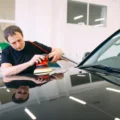
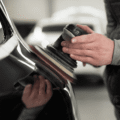
It may be. Paint correction uses polishing to reduce the appearance of swirl marks, light scratches, and dullness. The amount needed depends on the condition of the paint and the finish the owner wants.
A newer car may need only light polishing, while a car with visible wash marks may need more work. The detailer should explain which marks can be improved and which are too deep to remove safely. Paint correction adds time and cost, but applying a coating over paint that hasn’t been corrected can preserve its existing flaws beneath the new layer.
Once polishing is complete, the paint is cleaned again to remove polishing oils and leftover residue. The surface is checked under optimal lighting before coating begins.
How Is Car Ceramic Coating Applied?
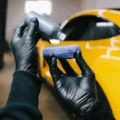
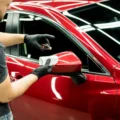
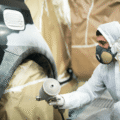
The car is placed in an environment free from dust, direct sunlight, and heat. Then the coating is applied to sections of the vehicle surface in one small area after another. After an interval recommended by the specific product manufacturer, the excess is wiped off using a clean microfibre cloth.
Such timing is very crucial because excess coating left without buffing could cause streaks or high spots on the paintwork. Each section of the surface coated is examined by the installer under good light before going ahead. The coating can also be applied to other parts like the wheels, provided the product allows it.
Instructions for applying coatings vary depending on the type of product used. Some coatings need just flash timing before wiping. It is therefore best to refer to the product packaging rather than using one technique for all coatings.
How Long Does Car Ceramic Coating Take to Cure?
There are usually two stages: an initial set and a longer cure. The vehicle may need to stay dry for a set number of hours after application, then avoid washing for several days. Some products have longer restrictions. Temperature, humidity, and the coating itself affect the timing, so ask the installer for the specific aftercare instructions before leaving.
During this period, keep the car away from rain, sprinklers, dust, and falling leaves where possible. If the surface gets wet or something lands on the paint, contact the installer before wiping it. Rubbing a fresh coating can mark it.
What Should You Do After the Coating Is Applied?
Washing for the first time can be done according to the waiting time offered by the installer. Regular washing, on the other hand, is important to keep the surfaces clean. This task requires a clean wash mitt together with car shampoo; do not wipe dirt with dry cloths and abrasive brushes.
Bird droppings, tree sap, and insects must be removed as soon as possible. Car ceramic coating reduces washing difficulty but does not guarantee that the paint is protected against contamination or scratching.
What Can Go Wrong During the Process?
Most visible problems come from poor preparation or application. Dust left on the paint can become sealed beneath the coating. Uneven application may leave hazy patches or streaks. Skipping paint correction can leave swirl marks visible under the glossy finish.
These issues are harder to fix after the coating cures, and correction may require polishing the affected area and reapplying the product. That’s why it’s useful to ask what preparation is included, where the work will be done, and how the installer checks the finished paint.
Is car ceramic coating a one-time job?
Coating can last several years depending on the type of coating, driving habits, care taken, etc. Coatings still need regular washing, and the way they repel water changes as well. Failure to bead doesn’t necessarily indicate that the coating is dead, because surface contamination might affect its water repellency. The installer can check it and say if cleaning or touch-up is necessary.
Knowledge of each step will help you compare services and understand what you are paying for. Before going to the appointment, make sure you get all the information about preparation, paint correction, coating and curing periods, as well as aftercare. Prestige Motors can walk you through the process and help you understand what your car needs before the work begins.