It’s got to be one of the most aggravating circumstances a motorist can face: a vehicle that won’t start. Often, someone may quickly detect the problem and correct it without substantial repairs. This article discusses the main reasons your vehicle won’t start and what you should do in each case.
Top Reasons of Your Car Not Starting
1. Dead or Weak Battery
If you turn the key and it clicks or the dashboard lights are dim or off, the car battery is probably the problem. Batteries may die from lights left on, lengthy periods of inactivity, severe temperatures, or just from wearing out after a few years of usage. The starting motor turns the engine over when you start the automobile. If it becomes bad, the engine won’t turn over even with a good battery.
One of the most prevalent symptoms of a starter problem is a single large click or repeated clicks when you turn the key. Sometimes the automobile would start sporadically, functioning one day and not the next. A specialist usually needs to see starter motor difficulties, since the component is mechanical and electrical in nature. Total quiet, however, can indicate a full electrical failure.
2. How to Avoid Car Starting Problems
Routine maintenance is essential to preventing unexpected initial problems. Periodically checking your battery status may help avoid an unexpected failure. Keeping your fuel system clean, changing spark plugs on schedule, and servicing the alternator periodically assure smooth running.
3. Decoding “No Crank” and “Crank but No Start”
The symptoms of a vehicle that won’t start generally fall into two main categories, and getting them right is the first step in diagnosing. A no-crank is when the engine doesn’t turn over at all when you attempt to start it. You may hear nothing whatsoever or just a clicking sound. This is normally a sign of a fault with the battery, starting motor, ignition switch, or electrical system.
A crank-no-start situation is when the engine cranks properly but won’t fire and operate. This frequently implies gasoline supply difficulties, ignition failure, or sensor problems. This distinction is important because it allows you to rapidly find the origin of the problem rather than blindly guessing.
The automobiles of today have many sensors to control the engine. The engine control unit may stop the automobile from starting if any of the main sensors fail. This mechanism is a safety feature. One of the most significant is the crankshaft position sensor. If it goes bad, the engine may crank but will not start, since the system will not know the engine position. The camshaft sensor, throttle position sensor, or mass airflow sensor might also affect beginning performance.
4. Air Intake System Blocked
The engine needs an optimal blend of air and fuel to consume it. If the air intake is clogged, the engine may struggle or not start. Any blockage in the air filter, throttle body, or intake hose might restrict airflow. Rodents or other debris may sometimes clog the air passageways, particularly if the car sits for a long time. Cranking but not starting indicates poor or limited air supply.
Many automobile owners add aftermarket equipment such as stereo systems, alarms, lighting kits, or GPS trackers. If not fitted correctly, these systems might drain the battery even if the vehicle is off. Parasitic drain is one of the most prevalent hidden reasons for frequent battery failure. Symptoms include the battery dying overnight or after brief periods of inactivity. The cause of the drain is generally revealed by disconnecting or analyzing the aftermarket equipment.
5. Starting Problems Related to Transmission
Some automobiles are built such that they will not start until the gearbox is in “Park” or “Neutral.” If the gear selection switch is defective or is out of alignment, the automobile may not start. This is a safety feature to avoid inadvertent movement during the lighting process.
If the connections are loose, you may have intermittent starting problems; the vehicle starts sometimes and not other times. If you clean the terminals and tighten the connections, you usually won’t have a problem.
6. Common Mistakes Drivers Make During a Starting Failure
If your vehicle won’t start, many drivers will keep turning the ignition key or holding down the start button for an extended period. This may actually make the issue worse by depleting the battery longer. Another big error is that people often think it’s always the battery and just replace it right away without properly diagnosing the problem. Others may try to jump-start it a few times without finding the root reason.
Should your automobile not start in a dangerous or isolated place, there are certain emergency measures you may take. First of all, you should switch off the electrical parts like lights, AC, and the infotainment system to save the battery charge. If none of those measures work, please do not continue trying; instead, call for a tow before causing any further damage.
7. Prevention Strategies in the Long Term
Regular vehicle maintenance can often help you avoid starting problems. Regular battery testing every few months might help find early weakening. Keep terminals clean to avoid corrosion accumulation. Regular maintenance of spark plugs, fuel filters, and engine oil guarantees trouble-free ignition performance.
Summary
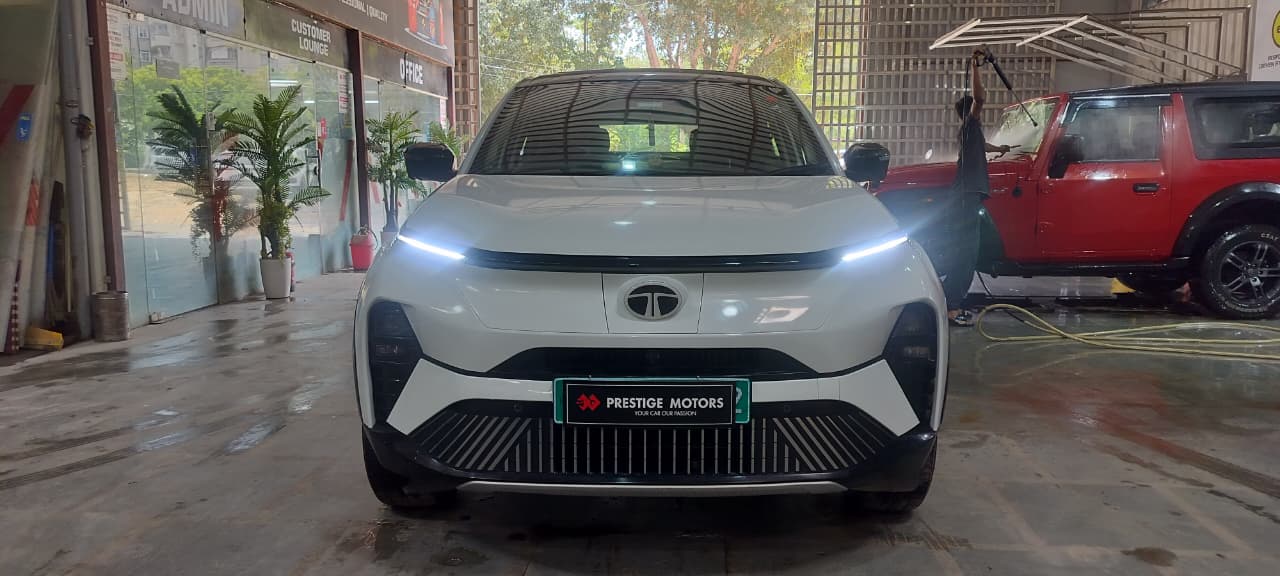
An automobile that won’t start is not simply a nuisance. It is a notice that something in the system needs maintenance. Whether it’s electrical, mechanical, or fuel-related, knowing the signs helps to take the necessary action promptly. Many difficulties start with little warning indications, which drivers typically disregard until the car stops entirely. Proper maintenance, watchful monitoring, and prompt repair can help you avoid most beginning failures. When you want to have your car inspected reliably, diagnosed accurately, and fixed right, you can always turn to Prestige Motor to get your automobile treated with the right hands and get it back in smooth-functioning condition.
Prestige Motor will assist you with dependable inspection, repair, and comprehensive auto starting solutions and have you back on the road quickly.